

Where the desert meets the sea, Los Cabos reveals a landscape full of contrasts. Dramatic rock formations rise above shades of blue, secluded coves tuck between cliffs, and each sunset turns the coastline into a postcard-worthy scene.
Beyond its natural beauty, this region of Baja California Sur is also home to tales of seafarers, privateers, and treasures that, legend says, never reached their intended destination.

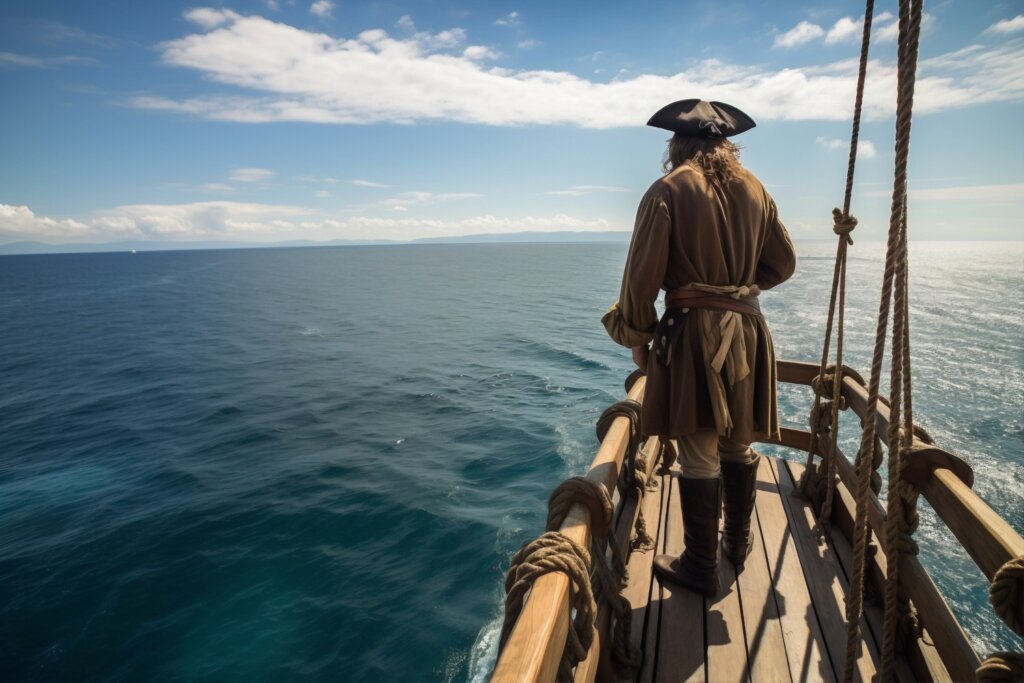
Pirate stories have long captured the imagination of those drawn to the peninsula’s maritime past, adding mystery to its striking scenery. From the famous capture of a Spanish galleon to tales of chests hidden in remote bays, discover some of the stories that invite you to see Los Cabos from a different perspective.
The Manila Galleon and the pirates of the Pacific
During the 16th and 17th centuries, the Pacific Ocean was crossed by major trade routes connecting Asia and the Americas. Among the most important was the Manila Galleon route, also known as the China Ship route, which carried goods such as silk, porcelain, spices, and other valuable merchandise between the Philippines and New Spain.
This thriving maritime trade attracted European sailors and privateers seeking to intercept Spanish vessels. Against this backdrop, the coast of Baja California became part of the stories of navigation and piracy that spread throughout the Pacific.
The region’s bays, cliffs, and rocky formations fueled tales of hidden hideaways and strategic vantage points from which sailors could watch the horizon. Over time, Los Cabos’ distinctive geography became part of the legends that continue to intrigue visitors today.

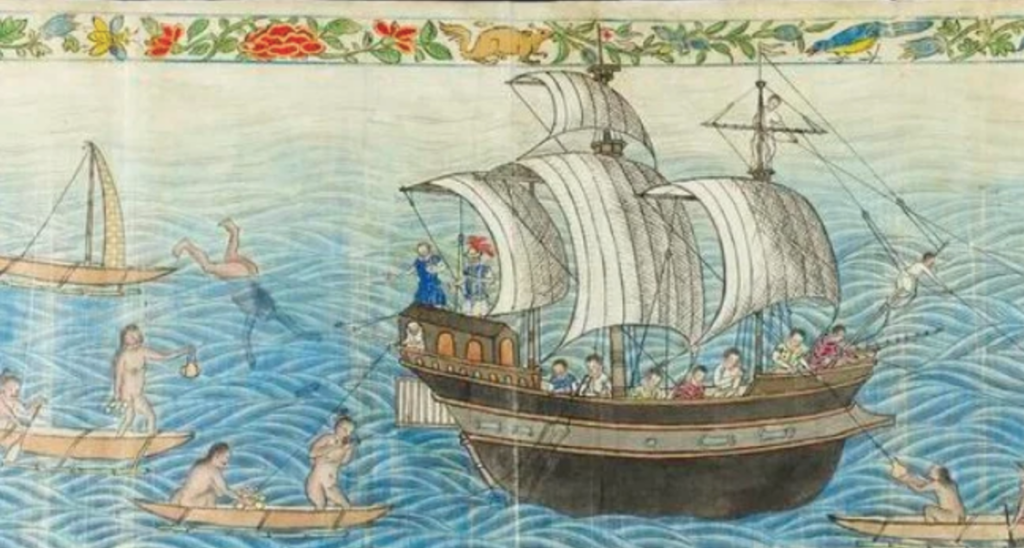
Thomas Cavendish and the capture of the Santa Ana
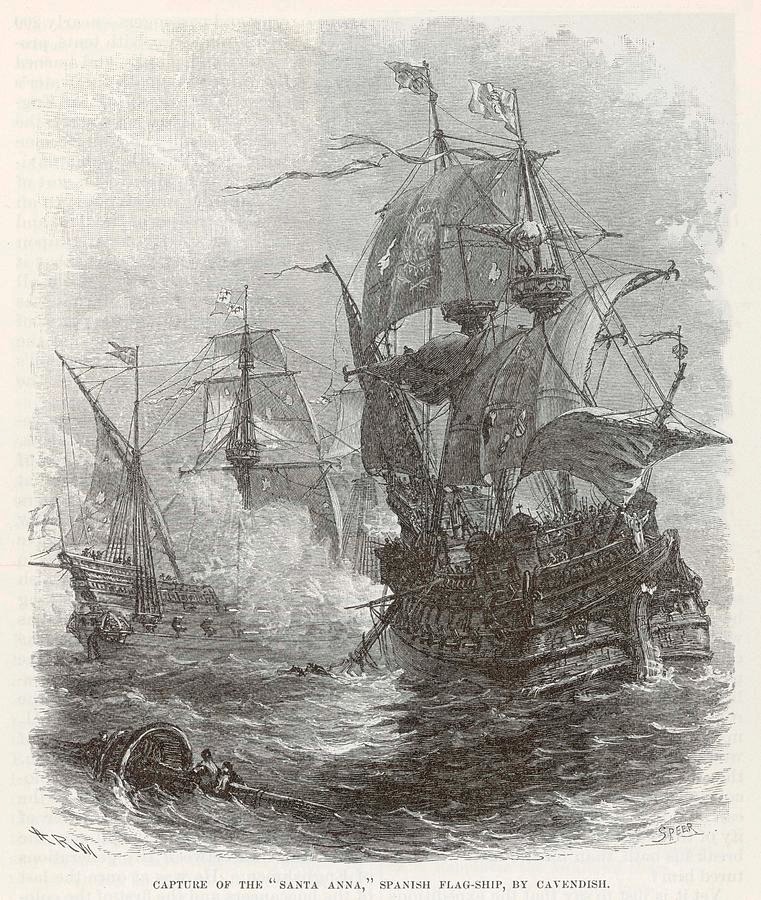
One of Los Cabos’ best-known stories centers on English navigator Thomas Cavendish. In November 1587, his expedition captured the Spanish galleon Santa Ana off the coast of Baja California, an episode that became part of the region’s maritime history.
The ship carried valuable goods from Asia, making its capture a significant prize for the English. The encounter helped establish Cavendish as one of the most renowned figures in Pacific piracy.

The mystery of a lost treasure
Stories surrounding Cavendish’s expeditions have also sparked tales of riches lost at sea or vanished along the Baja California coastline. One such story involves the Content, a vessel associated with his expedition whose fate has inspired different accounts over time.
While the capture of the Santa Ana is a documented historical event, the idea of treasure still waiting to be found remains speculation and legend. This blend of history and mystery may be what continues to spark curiosity about the Sea of Cortez’s early maritime voyages.
Francis Drake and the secret caves
Sir Francis Drake’s name frequently appears in popular accounts of the privateers who sailed the Pacific in the 16th century. His expeditions helped establish his reputation as one of the best-known English navigators of his time.
Stories about Drake’s voyages describe natural hideaways, secluded caves, and chests filled with gold coins and jewels. Some versions place these supposed hiding spots along the rocky shores of Baja California Sur, where small openings between the cliffs fuel the imagination of those searching for traces of the region’s maritime past.
No one is certain Drake concealed treasure in any of these caves near Los Cabos. Still, the landscape—with its wave-sculpted rock walls and secluded corners—offers the perfect setting for imagining how such legends began.
Pichilingue and the legends of hidden treasure
North of Los Cabos, near La Paz, lies Pichilingue, a place associated with stories of early sailors and foreign privateers. The name is often linked to the historical term pichilingue, used in parts of New Spain to refer to pirates, particularly those of Dutch origin.
Local lore includes tales of chests buried along the coast, silver coins, and pearls hidden near the shore. Some versions link these treasures to incursions by European sailors, while others belong to oral traditions that have turned fragments of the past into enduring legends.
Rather than pointing to a specific place where riches might be found, these stories invite visitors to discover Baja California Sur’s maritime history and experience the Sea of Cortez as a place where nature and imagination meet.

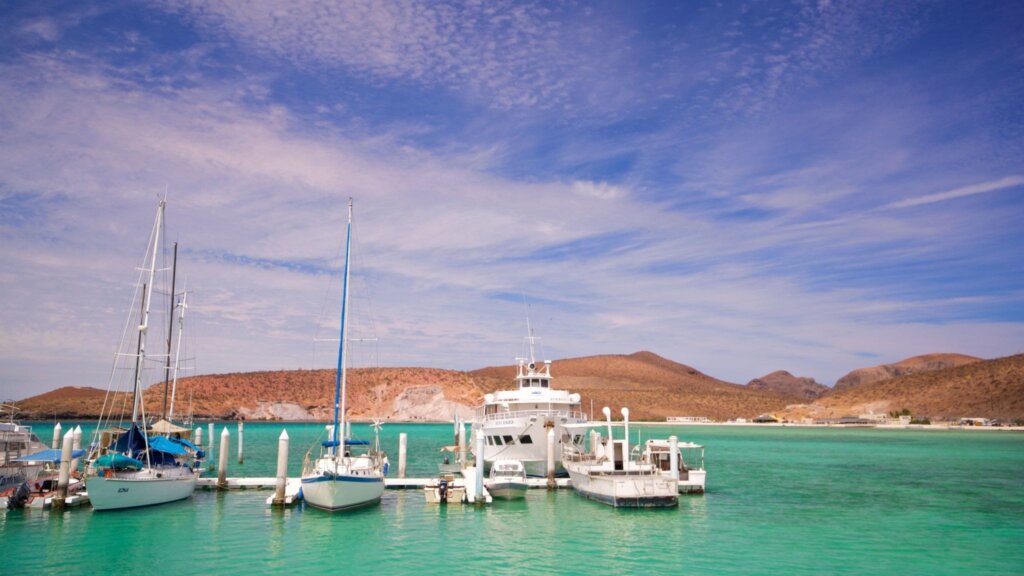
Exploring the landscapes behind Los Cabos’ pirate legends
Today, the coastlines that once witnessed maritime voyages can be explored through experiences that bring together nature, adventure, and culture. You don’t need to find a buried chest to enjoy Los Cabos’ mystery; simply head out on the water and take in the scenery from a different perspective.
1. Sail around El Arco
A boat excursion departing from the Cabo San Lucas Marina is a wonderful way to discover one of the destination’s most iconic landmarks. Along the way, you can admire El Arco, the dramatic rock formations rising from the ocean, and the beaches nestled at their base.
Seeing the coastline from the water offers a new appreciation for its rugged beauty and helps explain why it has inspired so many stories of sailors and explorers.
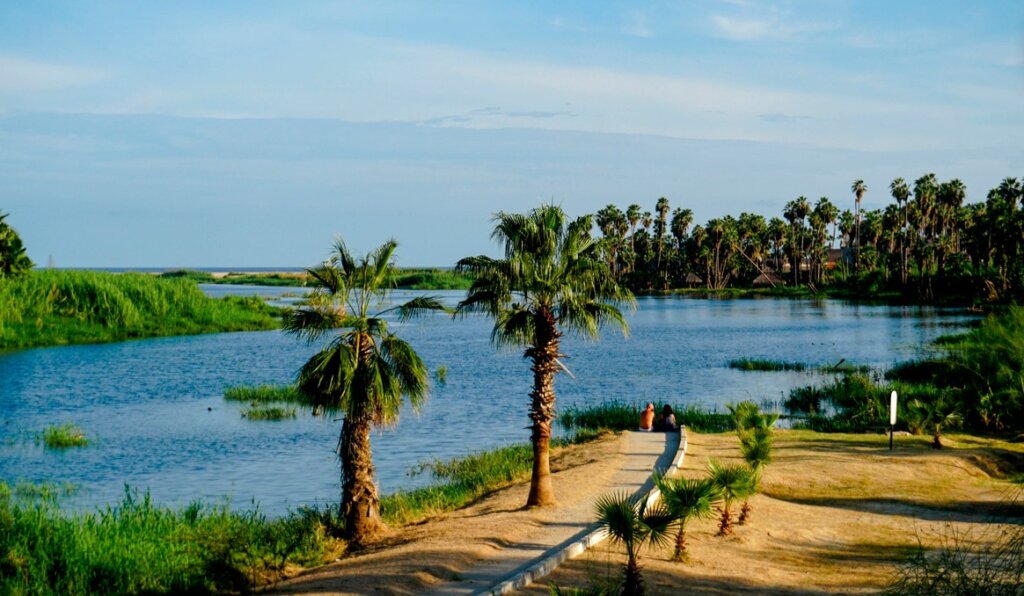
2. Discover the San José del Cabo estuary
In San José del Cabo, the estuary contrasts sharply with the surrounding desert landscape. This natural oasis supports a variety of bird species, and nearby paths offer opportunities to observe local vegetation and wildlife.
A walk around the area lets you discover another side of Baja California Sur, away from the busier beaches and closer to one of the region’s distinctive ecosystems.

3. Explore the bays along the Tourist Corridor
Santa María and Chileno Bays are ideal for enjoying the Sea of Cortez through activities such as snorkeling and kayaking, depending on sea conditions and local guidance.
Beneath the surface, fish and rocky formations reveal the richness of this marine environment. Above the water, the coastline invites you to slow down, enjoy the views, and discover Los Cabos from a different angle.
The treasures sought by early sailors may remain a mystery, but Los Cabos offers riches that require no map to discover. They are found in the contrast between desert